
What counseling costs in South Carolina, and what changes the price
By David Reyes · Updated 2026-06-06
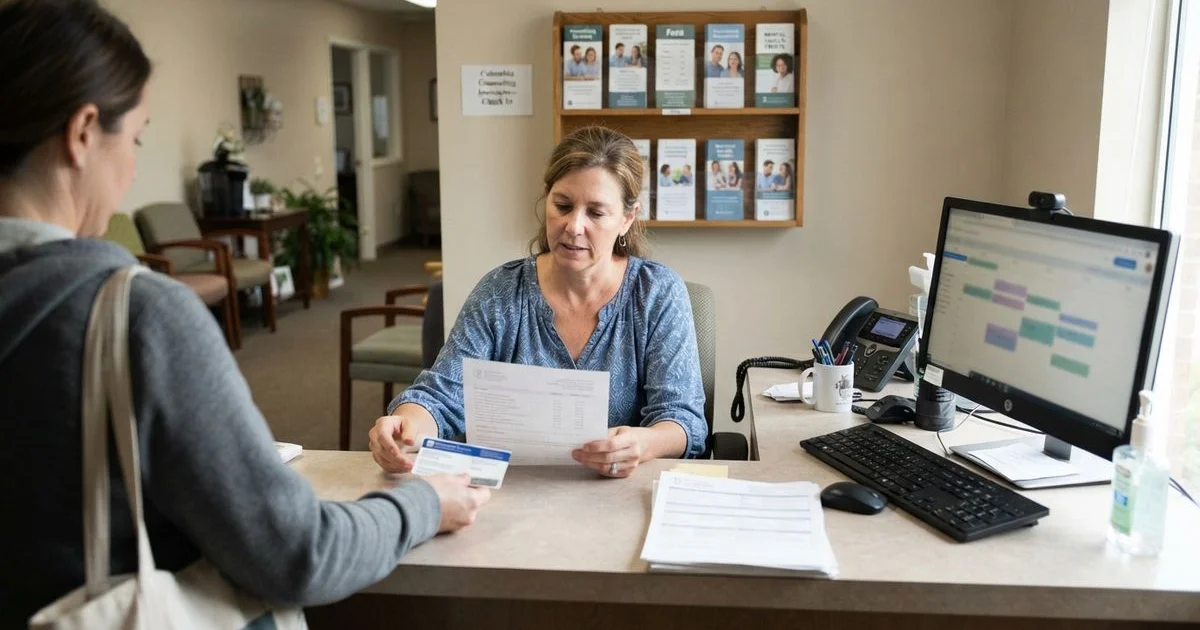
Cost is one of the first questions people ask before booking counseling, and one of the hardest to get a straight answer to. Rates vary by provider type, session type, and insurance status. Here’s what actually drives the price in South Carolina, and how to estimate what you’ll pay before you call anyone.
This is general information based on typical market rates, not a quote. A specific counselor or your insurance provider can confirm your exact cost.
What drives the price
Four factors do most of the work in setting a counseling rate:
- Provider licensure level. Associate or intern counselors working under supervision charge the least. Fully licensed counselors (LPC, LCSW) sit in the middle. Psychologists and other specialists with doctoral-level training charge the most.
- Session type. Individual therapy is the baseline. Couples and family sessions typically run 30-35% higher because they take more clinical planning and often run longer. Group therapy is usually the least expensive option per person.
- Insurance status. Self-pay clients pay the full rate. In-network insurance usually reduces your cost to a copay. Out-of-network benefits provide partial reimbursement, but you often pay the full rate upfront first.
- Location and setting. A solo practice, a group practice, and a hospital-affiliated clinic can all price the same type of session differently, partly based on overhead.
Typical self-pay rates in the Columbia area
| Provider type | Typical per-session rate (self-pay, individual therapy) |
|---|---|
| Associate or intern counselor | Roughly $65-$105 |
| Licensed counselor (LPC or LCSW) | Roughly $95-$150 |
| Psychologist or specialist (PhD/PsyD) | Roughly $135-$210 |
These ranges reflect individual therapy pricing. Couples or family sessions typically add 30-35% to the base rate, and group sessions usually cost about half of individual pricing per person. Actual pricing varies by practice, so treat this as a planning range rather than a quote.
How insurance changes the math
If your plan covers mental health and the counselor is in-network, you’ll typically pay a copay in the $20-$50 range per session, with the rest billed to your insurer. Out-of-network coverage works differently: you generally pay the counselor’s full rate at the time of service, then submit a claim for partial reimbursement, often 50-80% of an allowed amount that may be lower than the counselor’s actual fee.
Before you book, it’s worth calling your insurer directly and asking three questions: whether outpatient mental health counseling is covered, whether the counselor you’re considering is in-network, and what your copay or coinsurance would be. Practices can often tell you their in-network status but not the specifics of your individual plan.
Other costs people forget to budget for
The per-session rate isn’t always the whole story. A few smaller costs worth planning for:
- A missed-appointment or late-cancellation fee. Many practices charge a fee, sometimes close to the full session rate, if you cancel with less than 24 hours’ notice.
- An intake or assessment fee. Some practices charge a bit more for the first session, since it typically runs longer than a standard follow-up.
- Add-on services. Things like a formal psychological evaluation or a letter for an employer or school are sometimes billed separately from regular sessions.
None of these are hidden in a shady sense, they’re standard practice, but they’re easy to overlook when you’re only comparing the advertised per-session rate.
When cost becomes a barrier
If the rates above don’t fit your budget, a few options are worth exploring before ruling out counseling altogether:
- Asking directly whether a practice offers a sliding scale
- Looking at associate or intern counselors, who typically charge less while working under supervision
- Checking community mental health centers and university-affiliated training clinics
- Asking your employer whether an Employee Assistance Program (EAP) benefit covers a set number of free sessions
Free and low-cost counseling options in Columbia are worth a closer look if any of these apply to you.
The bottom line
Expect a real range rather than one number: roughly $65 on the low end for supervised, associate-level care up to $200 or more for specialist care, with insurance able to shrink that considerably if the provider is in-network. Ask about cost directly in your first call. It’s a normal question, and most practices are used to answering it before you ever book.
Every listing on Columbia SC Counselor Guide is scored using the same rating methodology, so you can compare cost and quality side by side instead of guessing from a phone call alone.
Frequently asked questions
- How much does a counseling session cost without insurance?
- Self-pay rates in the Columbia area typically run from around $65 for an associate or intern counselor up to $135-$210 for a psychologist or specialist, with a licensed counselor (LPC or LCSW) usually landing between $95 and $150 per session.
- Why do some counselors charge so much more than others?
- Licensure level is the biggest factor. Associate counselors working under supervision charge less than fully licensed clinicians, who in turn typically charge less than psychologists or specialists with doctoral training. Session type and length also matter, with couples and family sessions usually priced higher than individual sessions.
- Is counseling ever free or lower-cost in South Carolina?
- Some practices offer a sliding scale tied to income, and community mental health centers and university training clinics often charge less than private practice. See our guide on free and low-cost counseling in Columbia for specifics.
- Does insurance always lower the cost?
- In-network insurance usually cuts your cost the most, often down to a copay. Out-of-network benefits still help but less, since you're often paying upfront and getting partially reimbursed. Confirm your specific plan's mental health benefits before assuming either applies.