
Free and low-cost counseling options in Columbia
By David Reyes · Updated 2026-06-27
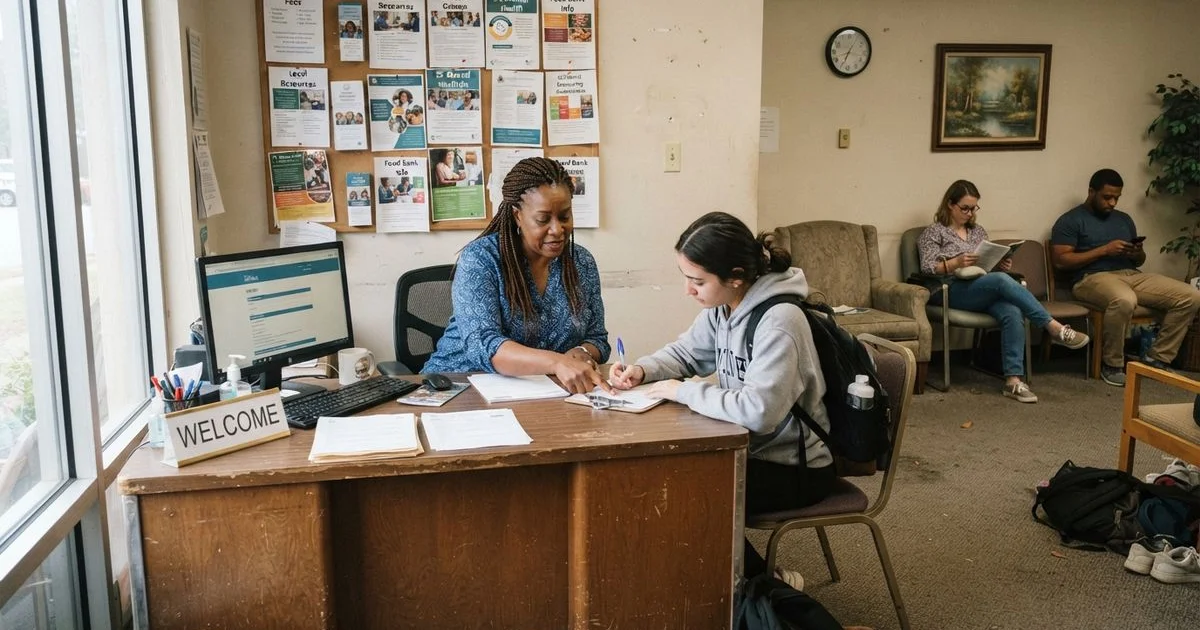
Cost is one of the most common reasons people put off counseling. It doesn’t have to be all-or-nothing between full-price private practice and no care at all. Here’s a realistic look at the lower-cost paths available around Columbia, West Columbia, Cayce, Irmo, and Lexington, along with what each option typically trades off against price.
Start with what you already have access to
Before looking elsewhere, check two things that are easy to overlook:
- Your insurance. If you have coverage, an in-network counselor can bring your cost down to a copay. Confirming this takes one phone call to your insurer.
- Your employer. Many Employee Assistance Programs (EAPs) cover a set number of free counseling sessions per year, sometimes through a designated provider network. Check your benefits portal or ask HR directly.
Veterans and first responders often have additional no-cost paths worth checking too, including VA benefits and department-based programs. Our guide on counseling support for veterans and first responders in Columbia covers those specifically.
Lower-cost paths worth calling
| Option | What it typically offers |
|---|---|
| Sliding-scale private practices | Fees adjusted to income, often with a stated minimum and maximum |
| Community mental health centers | Income-based fees through South Carolina’s public mental health system, licensed staff |
| University training clinics | Reduced rates using supervised graduate-level counselors |
| Nonprofit and faith-based counseling programs | Often subsidized rates for members or the broader community |
| Employee Assistance Programs (EAP) | A set number of free sessions per year through your employer |
| Crisis text and phone lines | Free, immediate support for urgent situations, not a substitute for ongoing care |
South Carolina’s public mental health system operates community clinics across the state with fees generally tied to income, which makes them worth a call even if you’re not sure you’d qualify.
University training clinics, explained
Training clinics attached to graduate counseling programs are worth a closer look if the reduced rate matters more than seeing someone fully licensed on day one. Sessions are conducted by supervised graduate students working toward licensure, with an experienced, licensed clinician reviewing the work behind the scenes. Quality is generally solid because of that oversight, and rates are often significantly below private practice. The tradeoff is usually availability tied to the academic calendar, and counselors who rotate out as they graduate, which can mean switching providers partway through if your timing overlaps a semester change.
How to ask about a sliding scale without feeling awkward
Practices that offer a sliding scale expect to be asked about it. A simple, direct question works: “I’m interested in counseling but need to ask about a sliding scale. What would that look like for my situation?” You may be asked about household income or family size to set the fee. This is standard, not intrusive.
Not every practice lists a sliding scale on its website, so it’s worth asking even when one isn’t mentioned. Some practices offer it quietly, on a case-by-case basis, rather than advertising it broadly.
If you need something quickly, not just cheaply
If the situation feels urgent, cost shouldn’t be the deciding factor in whether you reach out at all. Crisis lines and text services exist specifically for that scenario and don’t require insurance, income verification, or an appointment. If you’re weighing whether what you’re experiencing counts as urgent, our guide on warning signs of a mental health crisis walks through how to tell, including when it’s appropriate to call 988 rather than wait for a scheduled appointment.
Making the calls
Finding lower-cost care usually takes a few calls rather than one lucky find. Community clinics and university programs sometimes have waitlists, so it’s worth reaching out to two or three options at once rather than waiting on a single answer. Ask each one directly about cost, availability, and what their process looks like from first contact to first appointment.
Keep a short record of who you called, what they quoted, and any waitlist timeline they gave you. A few calls in, it’s easy to lose track of which option actually offered what, and having it written down makes comparing options and following up much simpler.
Columbia SC Counselor Guide lists local providers, including reported rate information where available, evaluated with our published scoring method, so you can compare options before making those calls.
Frequently asked questions
- Is there truly free counseling available in Columbia?
- Some options come close to free, including certain university training clinics, nonprofit programs, and crisis text or phone lines for immediate support, but ongoing private-practice counseling is rarely entirely free. Sliding-scale and community-based options are the more realistic path to consistently low cost.
- What is a sliding scale, and how do I ask for one?
- A sliding scale means a practice adjusts its fee based on your income, usually within a stated minimum and maximum. Ask directly: 'Do you offer a sliding scale, and what would it look like for my situation?' Most practices that offer one are used to the question.
- Are community mental health centers as good as private practice?
- They're staffed by licensed and supervised providers and can be a genuinely strong option, particularly for ongoing care. Wait times and appointment availability are sometimes longer than private practice, so it's worth calling early rather than waiting until a need becomes urgent.
- Does my employer's EAP program actually help with cost?
- Many Employee Assistance Programs cover a set number of counseling sessions at no cost to you, sometimes with a provider they select. It's worth checking your benefits page or HR contact before assuming this doesn't apply to you.