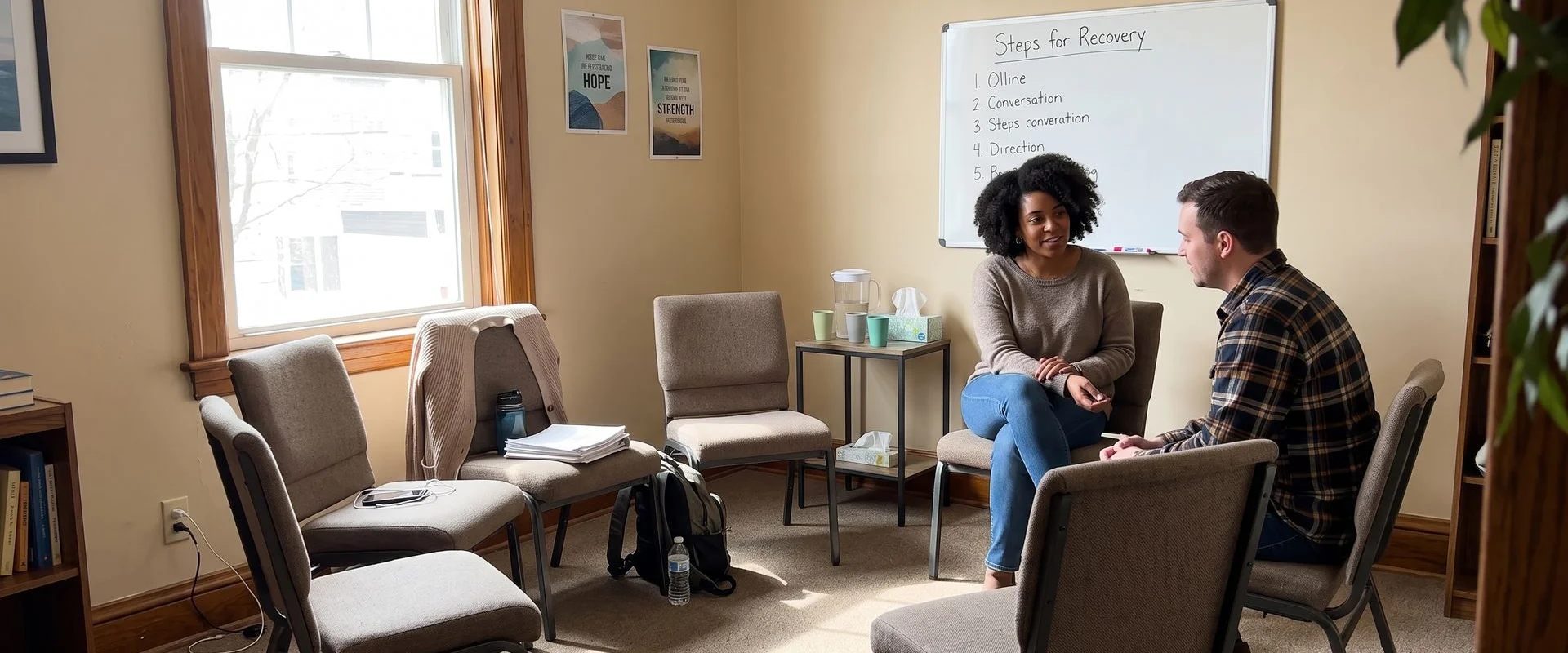
Addiction counseling covers the ongoing work of treating substance use disorders through talk therapy, structured programs, and relapse prevention planning. In Cayce, this can mean one-on-one sessions with a licensed addiction counselor, group therapy, intensive outpatient programs (IOP), or counseling paired with medical detox and medication management for alcohol, opioids, or other substances. Counselors also work with families, since addiction rarely affects just one person, and many clients need help sorting out co-occurring issues like anxiety, depression, or trauma alongside the substance use itself.
When you're looking at the 8 counselors and programs we cover in this category, pay attention to a few things: whether the counselor holds a state addiction credential (like an LPC-S or CAC/LCAS designation in South Carolina), whether they offer the level of care you actually need (outpatient sessions versus IOP or partial hospitalization), and whether they coordinate with physicians if medication-assisted treatment is part of the plan. It also matters whether they take your insurance, since out-of-pocket rates for addiction counseling add up fast over a multi-month course of care.
Our scoring weighs licensing, client feedback, responsiveness, and how clearly each provider communicates what treatment looks like before you commit to a first appointment. For the full ranked breakdown, see our best counselors in Cayce guide. Details on how we build these rankings are on our methodology page.
[
{"q": "How much does addiction counseling cost in Cayce?", "a": "Individual sessions typically run $75 to $200 without insurance, depending on the counselor's credentials and whether it's a solo practice or a larger treatment center. Group sessions and IOP programs often cost less per session but bill weekly or monthly since they involve more hours of care. Many providers accept Medicaid or private insurance, which can bring your per-session cost down to a copay."},
{"q": "How often do I need to go to counseling for substance abuse?", "a": "Most outpatient programs start with one to three sessions a week, tapering down as stability increases. Intensive outpatient programs (IOP) usually require 9 to 15 hours a week across multiple days, at least in the first month or two. Your counselor should adjust frequency based on how you're progressing, not keep you on a fixed schedule regardless of outcomes."},
{"q": "What should I expect at a first appointment?", "a": "Expect an intake assessment covering substance use history, mental health background, and any prior treatment attempts. The counselor should explain their recommended level of care, discuss confidentiality, and outline what a typical treatment plan and timeline look like for your situation. If they skip the assessment and jump straight into a program sign-up, that's worth questioning."},
{"q": "How do I know if a counselor is actually good at treating addiction, not just licensed?", "a": "Look for specific addiction credentials beyond a general counseling license, ask how they handle relapse (not as failure but as part of adjusting the plan), and check whether they coordinate with other providers if you need medical support. Client reviews mentioning follow-through, availability during crises, and clear communication are stronger signals than general praise."}
]