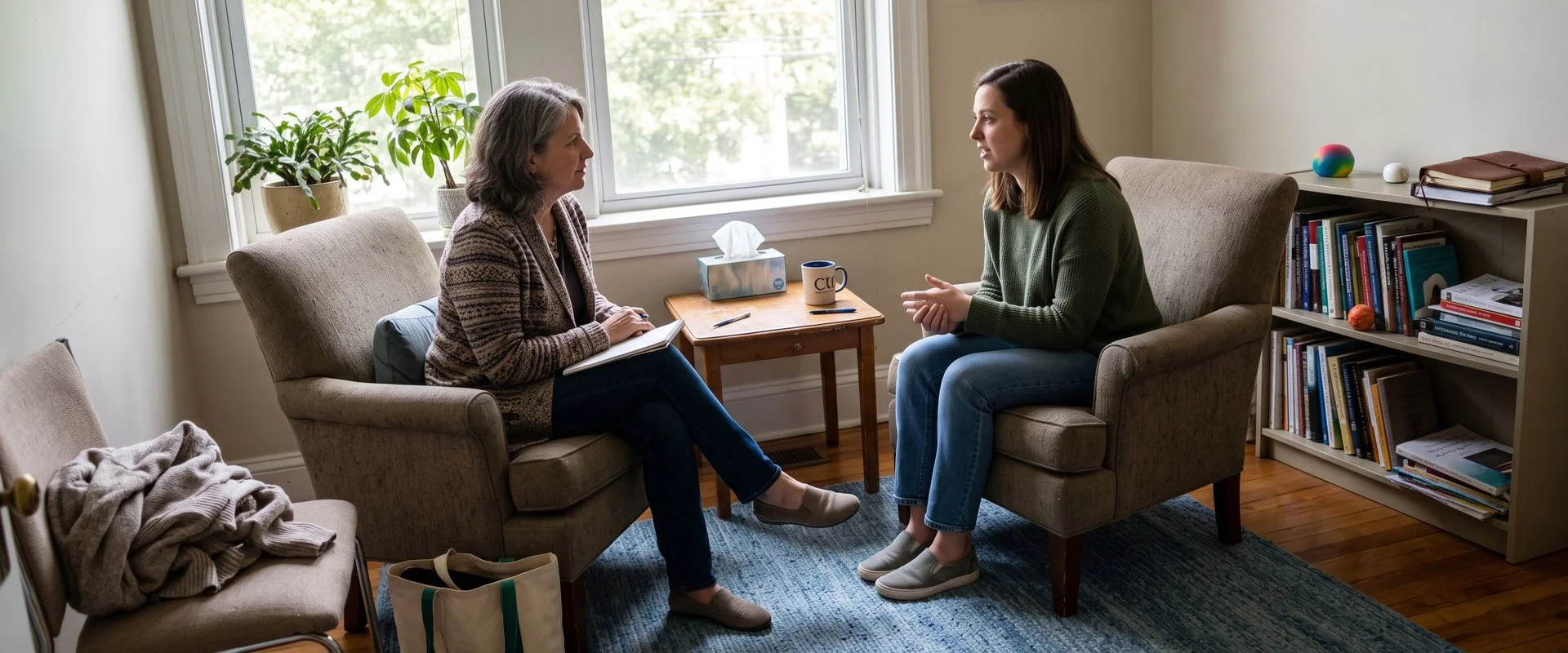
Mental health and anxiety counseling covers the talk-therapy work most people picture when they think of seeing a counselor: regular sessions with a licensed therapist to work through anxiety, panic, depression, stress, trauma, grief, or general life overwhelm. Sessions usually run 45-60 minutes and involve a mix of listening, structured techniques (like cognitive behavioral therapy or exposure work for anxiety), and homework or coping strategies to practice between visits. Cayce has 33 counseling practices offering this kind of care, ranging from solo therapists to group practices with multiple clinicians.
Because so much of this work depends on personal fit, the right choice isn't always the biggest or the busiest practice. A few things worth checking before you book a first session:
- Licensure and specialty: look for a licensed professional counselor (LPC), clinical social worker (LCSW), or psychologist with actual experience treating anxiety, not just general counseling.
- Approach: some therapists lean heavily on CBT or exposure therapy for anxiety, others take a more open-ended talk-therapy approach. Ask what they'd actually do in a session.
- Logistics: insurance acceptance, sliding-scale fees, telehealth options, and how quickly they can get you in matter as much as credentials, especially if you're dealing with an active crisis.
- Communication style: a good fit often comes down to whether you feel heard in the first session or two.
Our scoring weighs credentials, client feedback, responsiveness, and consistency over time rather than just star averages, so you can compare practices on more than marketing. See the full breakdown of how we score providers on the methodology page, or jump straight to the ranked list of Cayce counselors to see how these 33 practices stack up.